Jeep Body Shell for Mahindra Thar | Jeep Store India
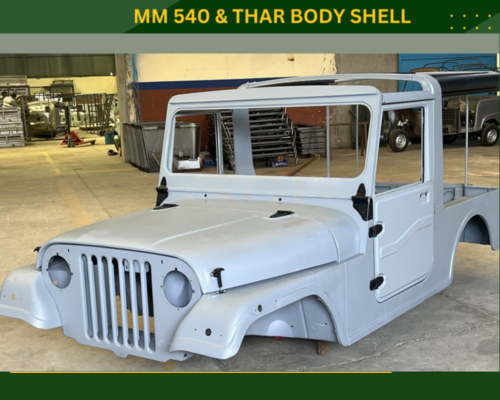
The Jeep Body Shell for Mahindra Thar is for owners who want the classic Willys/CJ-style Jeep silhouette built onto their existing Thar chassis and running gear. It's a full body conversion — not a body kit of add-on panels — and the outcome depends heavily on fabrication accuracy: panel alignment, mounting point strength, door and hardware fitment, and how well the shell integrates with the Thar's chassis, wiring, and cooling systems. At Jeep Store India, this work is done at our Peelamedu workshop in Coimbatore, where we've been fabricating and modifying 4×4 bodies since 2005. We don't treat this as a bolt-on accessory sale — every shell fitment goes through structural mounting checks, panel alignment, and a full systems check before the vehicle goes back on the road.
Premium Product Description
What a Jeep Body Shell Conversion Actually Involves
A body shell replacement is one of the most involved modifications you can do to a Mahindra Thar, and it's worth being upfront about what that means before getting into the details. This isn't a bumper swap or a suspension upgrade where the factory structure stays untouched. It's the removal of the Thar's existing body and the fitment of a new shell — styled on the classic Willys MB / Ford GPW / CJ Jeep silhouette — onto the Thar's chassis, engine, drivetrain, and running gear. Everything that isn't the body itself — the chassis, suspension, engine, transmission, axles — stays as it is on your Thar. What changes is the sheet metal, the cabin structure, the doors, the windscreen frame, and the overall look and proportions of the vehicle.
Because of that scope, the single biggest factor in how a project like this turns out is fabrication quality — not the shell itself, but how precisely it's mounted, aligned, and integrated with everything underneath it that has to keep working exactly as it did before.
Why This Upgrade Matters to Thar Owners
Most owners who come to us for a body shell conversion aren't chasing a cosmetic change for its own sake — they want their Thar to look and feel like the classic Jeep silhouette they grew up seeing, while keeping the reliability of a modern chassis, engine, and drivetrain underneath. It's a way to get vintage Jeep proportions and character without taking on the maintenance headaches of running an actual decades-old Jeep. For enthusiasts and collectors across Tamil Nadu, Kerala, and Karnataka, this has become one of the more requested builds at our workshop over the years — and also one of the easiest to get wrong if it's rushed.
The Workshop Installation Perspective
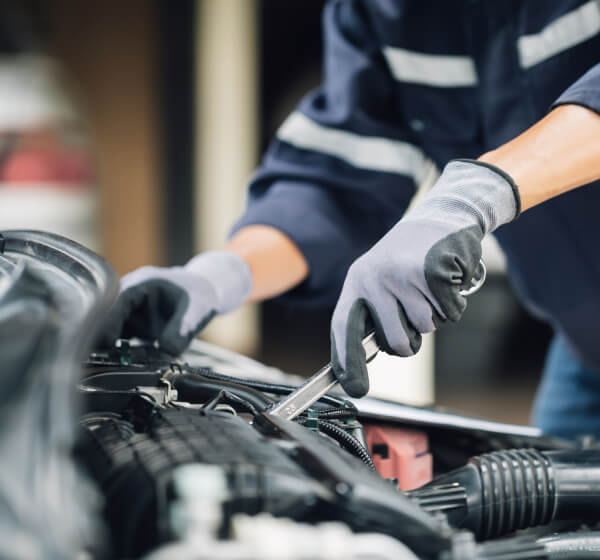
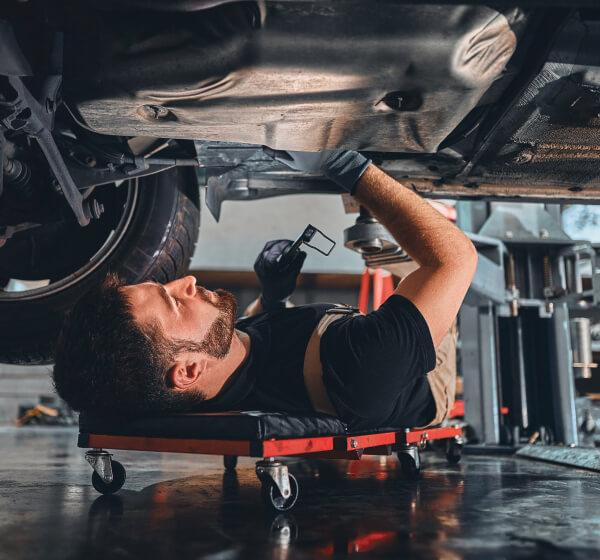
This is where most of the real work happens, and it's also where quality varies the most between different shops offering this conversion. From our experience fabricating these builds since 2005, the process typically involves stripping the existing body down to the chassis, carefully documenting where every mounting point, wiring harness, pedal box, steering column, and cooling line connects to the frame, then fabricating and fitting mounting brackets that position the new shell correctly relative to all of that.
Panel gaps and door alignment matter more on a shell conversion than people expect going in — a shell that isn't seated correctly on its mounts will show up as doors that don't close cleanly, water leaks at the windscreen frame, or vibration and rattling once the vehicle is back on rough roads. We treat this as a structural fabrication job first and a cosmetic job second, because getting the mounting geometry right is what makes the finished vehicle actually usable day to day, not just good in photographs in the workshop.
Driving Comfort After the Conversion
Cabin feel does change with a body shell conversion, and it's worth setting expectations here rather than overselling it. The classic Jeep body style, by its nature, has a more upright, exposed driving position than the Thar's factory cabin, and depending on the shell and door configuration chosen, wind and road noise levels can be different from the stock vehicle. We talk owners through these trade-offs before the build starts, because the appeal of the Jeep silhouette is real, but it's a genuinely different driving experience from a stock hardtop Thar, and going in with the right expectations makes for a much happier owner once the vehicle is finished.
Highway Performance
Since the chassis, suspension, engine, and drivetrain remain from your Thar, highway drivability in terms of power delivery, braking, and handling stays fundamentally similar to what you had before. What can change is aerodynamic behaviour — an open or soft-top Jeep-style body shape doesn't cut through the air the same way as a Thar's factory hardtop body, so highway wind noise and, in some configurations, stability at higher speeds can feel different. This is worth discussing with our team based on the exact shell and top configuration you're planning.
Off-Road Performance
Off-road capability is driven mainly by your Thar's existing suspension, drivetrain, and tyre setup, which don't change with a body shell conversion. What does matter off-road is how well the new body has been mounted and reinforced — a shell that flexes or shifts on its mounts under twisting terrain will develop stress cracks in fibreglass panels or loosen fasteners over time. This is another reason we treat mounting fabrication as the priority in this build, since a Jeep-style silhouette is only as tough as the structure holding it to the chassis.
Load Carrying Considerations
Cargo and load-carrying capacity after a body shell conversion depends on the specific shell design and how the rear tub, tailgate, and mounting structure are configured. Classic Jeep-style rear tubs are generally more open and basic than a modern Thar's boot area, so if you're planning to carry touring or camping gear regularly, this is something to plan for at the design stage — rear storage solutions, jerry can mounts, and tie-down points can be fabricated in as part of the build rather than added as an afterthought.
Expedition Suitability
For owners planning genuine touring or expedition use, a body shell conversion can absolutely work, but it needs to be approached as a build project rather than a quick weekend job. Mounting points for auxiliary fuel, water, recovery gear, and lighting all need to be planned around the new body's structure from the start. Owners who've done this well with us have generally spent time upfront discussing their actual use case — weekend trail runs versus multi-day touring — so the fabrication work matches how the vehicle will actually be used.
Ride Quality
Ride quality itself is governed by your Thar's existing suspension setup, which doesn't change with the body conversion. What can shift slightly is how road input is felt in the cabin, since the new body's mounting stiffness and weight distribution differ from the factory body. A well-executed mounting job keeps this close to what you're used to; a poorly executed one can introduce extra vibration or noise that has nothing to do with the suspension underneath.
Durability
Long-term durability on a body shell conversion comes down almost entirely to two things: the quality of the shell material itself (fibreglass composite shells vary noticeably in panel thickness and finish quality between suppliers) and the strength of the fabricated mounting structure connecting it to the chassis. We only work with shells we've vetted for build quality, and our mounting fabrication is designed to handle regular road and moderate off-road use without the shell working loose or cracking at stress points over time.
Maintenance Considerations
A shell-converted Thar needs a bit more routine attention than a stock vehicle, particularly around mounting bolt torque checks in the first few months of use, door and hardware alignment as fibreglass panels settle, and water sealing checks at the windscreen frame and any soft-top configuration. We recommend a follow-up inspection a few months after the build, which we offer to customers who complete their conversion with us.
Real-World Use Cases
The Thar owners who come to us for this build generally fall into a few groups: enthusiasts who want the classic Jeep look for weekend drives and car meets, collectors building a period-correct-styled vehicle on modern underpinnings, and a smaller group planning genuine off-road and touring use who specifically want the open, stripped-back Jeep character rather than a modern SUV cabin.
Why Enthusiasts Choose This Build
The appeal is straightforward — it's the closest most owners can get to the look and feel of a genuine vintage Willys or CJ Jeep, without hunting for an actual old vehicle, sourcing scarce original parts, or dealing with decades-old engineering. Built on a modern Thar chassis and drivetrain, it gives you the character of a classic Jeep with day-to-day reliability that an actual vintage vehicle usually can't match.
Why Buy This Build From Jeep Store India
This is a fabrication-heavy conversion, and the outcome depends almost entirely on the workshop doing the work — not just the shell you buy. We've been building and modifying 4×4 vehicles, including full body conversions, from our Coimbatore workshop since 2005. When you take on this build with us, you get mounting fabrication done by technicians who've handled this specific type of conversion before, an honest conversation about what changes and what doesn't in terms of driving feel, and support after the build if adjustments are needed as the vehicle settles in.
Key Benefits
- Classic Willys/CJ-style Jeep silhouette built onto your existing Thar chassis
- Keeps your Thar's original engine, drivetrain, and running gear intact
- Modern chassis and drivetrain reliability with vintage Jeep body character
- Structural mounting fabrication designed for road and moderate off-road use
- Distinctive look that stands out from stock and lightly modified Thar vehicles
- Panel and door alignment checked as part of the fitment process, not left to chance
- Option to plan touring-specific storage and mounting points into the build
- Reduces the need to source and maintain an actual vintage Jeep
- Fabrication carried out by technicians with body conversion experience since 2005
- Post-build inspection support as the shell and mounts settle in
- Suitable for enthusiast, collector, and weekend off-road use cases
- Can be configured with different top and door options based on owner preference
- Honest expectation-setting on cabin feel and noise before the build begins
- Structural priority on mounting strength, not just cosmetic panel fitment
- Workshop-based build process rather than a mail-order bolt-on kit
- Long-term durability supported by vetted shell material and proper fabrication
- Personalized build planning based on your actual use case
- Backed by a workshop with in-house fabrication history, not a subcontracted job
Key Features
- Classic Willys MB / Ford GPW / CJ-style Jeep body silhouette
- Designed to be fitted onto Mahindra Thar chassis and running gear
- Retains existing Thar engine, transmission, and drivetrain components
- Fabricated mounting brackets designed for chassis-specific fitment
- Door and panel alignment checked during the fitment process
- Configurable top and door options depending on owner preference
- Rear tub and storage layout that can be adapted for touring use
- Fibreglass composite body construction (material quality vetted by our workshop)
- Windscreen frame and cabin structure styled on classic Jeep proportions
- Mounting fabrication designed to handle regular road use and moderate off-roading
- Wiring, pedal box, and steering column integration handled during the conversion
- Structural reinforcement at key stress points to reduce long-term flexing
- Compatible with auxiliary fuel, water, and recovery gear mounting for touring builds
- Fitment carried out at a dedicated fabrication workshop, not a generic garage
- Post-installation alignment and hardware checks included
- Sealing checks at windscreen frame and top configuration
- Suitable for enthusiast, collector, and weekend trail-use builds
- Build planning tailored to daily use, weekend off-roading, or touring
- Follow-up inspection offered after initial settling-in period
- Fabrication team experience specific to Thar-based Jeep body conversions
Technical Specifications
| Specification | Details |
|---|---|
| Product Type | Jeep-style body shell conversion |
| Base Vehicle | Mahindra Thar (existing chassis and drivetrain retained) |
| Body Style | Classic Willys MB / Ford GPW / CJ-inspired Jeep silhouette |
| Shell Material | Fibreglass composite (specific supplier/grade confirmed at order) |
| Installation | Professional fabrication and fitment required |
| Fitment Location | Jeep Store India, Peelamedu, Coimbatore |
| Configuration Options | Top style, door type, and rear tub layout — confirmed per build |
Exact panel dimensions, weight, and structural load ratings vary by shell supplier and build configuration. Our team will confirm exact specifications during your build consultation.
Vehicle Compatibility
- Mahindra Thar (fitment confirmed against your specific model year and chassis at consultation)
Recommended Companion Products
- Steering Damper
- Lift Kit / Suspension Upgrade
- Winch and Front Mount
- Recovery Kit
- Roof Rack (soft-top configurations)
- Off-Road Wheels
- All-Terrain Tyres
- Auxiliary Lighting
Professional Installation
A body shell conversion is a structural fabrication project, not a bolt-on accessory install, and correct execution matters far more here than on a typical accessory fitment. At our workshop, every conversion includes:
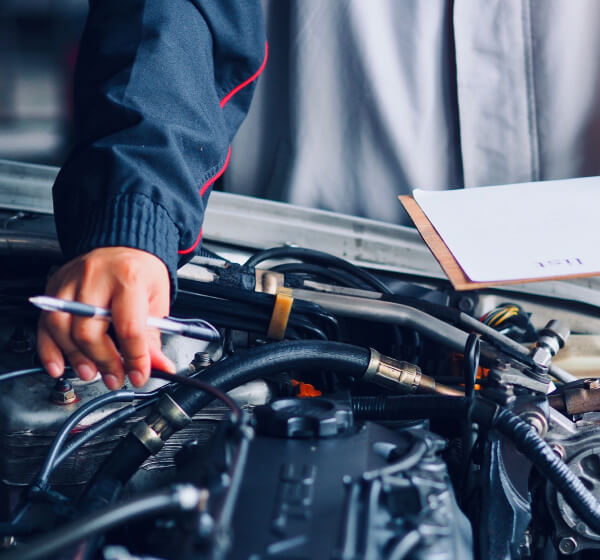
- Inspection and documentation of your Thar's chassis mounting points, wiring, pedal box, and steering column before removal of the existing body
- Structural mounting fabrication designed to position and secure the new shell correctly against the chassis
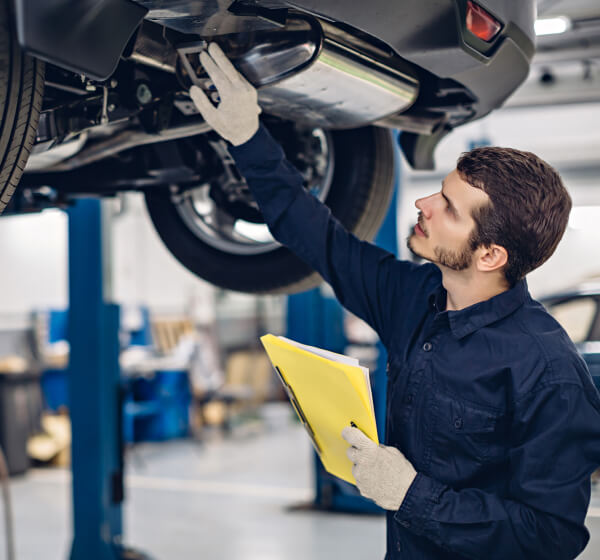
- Alignment checks on doors, panels, and the windscreen frame after fitment
- Post-installation checks including bolt torque verification, sealing checks, and a settling drive before handover
Jeep Store India, Peelamedu, Coimbatore — Professional Installation Available.
Why Buy From Jeep Store India
South India's Trusted 4×4 Parts, Accessories & Installation Specialists
- Genuine Products — shells and hardware sourced and vetted for build quality
- Experienced Technicians — in-house fabrication experience since 2005, including full body conversions
- Expert Technical Support — honest guidance on what changes in driving feel and what doesn't
- Secure Shopping — straightforward consultation and ordering process
- Fast Dispatch — parts and hardware processed promptly once your build is scheduled
- Pan-India Shipping — supply across Tamil Nadu, Kerala, Karnataka, Andhra Pradesh, Telangana, and Puducherry
- After-sales Assistance — post-build inspection and support as the vehicle settles in
19. Frequently Asked Questions
1. Does my Thar's engine and drivetrain change with a body shell conversion? No — your existing engine, transmission, and running gear are retained. Only the body is replaced.
2. How long does a full body shell conversion take? This is a fabrication-heavy project and timelines depend on the scope of the build. We'll give you a realistic timeline during your consultation once we've reviewed your vehicle and requirements.
3. Will the shell fit my Thar without modification? Some fabrication of mounting brackets and structural points is always required to correctly position the shell on your specific chassis — this isn't a direct bolt-on part.
4. Is this conversion road-legal? Requirements vary by state and registration authority. We recommend checking with your regional RTO regarding body modification regulations before proceeding.
5. Will the cabin be noisier after the conversion? Depending on the top and door configuration chosen, wind and road noise can differ from the stock Thar cabin. We discuss this honestly during consultation so there are no surprises.
6. Can I still carry the same amount of luggage as my stock Thar? Rear storage layout depends on the shell's tub design. If touring storage is a priority, we can plan mounting points and storage solutions into the build.
7. Is the shell material strong enough for off-road use? Durability depends on both shell material quality and mounting fabrication strength. We vet shell suppliers and prioritize structural mounting work to support regular off-road use.
8. Does this affect my Thar's suspension or off-road capability? Your existing suspension and drivetrain aren't changed by the body conversion, so off-road capability remains governed by your current setup.
9. Can I customize the top and door configuration? Yes, top style, door type, and rear tub layout can be discussed and configured based on your intended use during the build consultation.
10. Do I need to bring my Thar to Coimbatore for this conversion? Yes — this is a workshop-based fabrication project that requires the vehicle to be at our Peelamedu facility for the full build process.
11. What happens if panels or doors need adjustment after the build? We offer a follow-up inspection after an initial settling-in period to check alignment, sealing, and mounting hardware.
12. How does this compare to buying an actual vintage Jeep? You get the classic Jeep silhouette and character with the reliability of your Thar's modern chassis, engine, and drivetrain, without the maintenance demands of an actual decades-old vehicle.
Thinking about giving your Thar the classic Jeep look without giving up modern reliability? Talk to our team at Jeep Store India about a full body shell conversion, fabricated and fitted at our Peelamedu workshop in Coimbatore. We'll walk you through what changes, what stays the same, and what build configuration suits how you actually plan to drive it.
📞 Call/WhatsApp: +91 98422 68008 📍 Workshop: BR Puram, Nehru Street, Peelamedu, Coimbatore, Tamil Nadu 🌐 www.jeepstoreindia.com
Mahindra Thar Jeep Body Shell, Thar Body Conversion, Jeep Style Body Shell, Willys Jeep Body Shell, CJ Jeep Body Shell Thar, Thar Jeep Conversion Coimbatore, Fibreglass Jeep Body Shell, Thar Vintage Jeep Look, Thar Custom Body Build, Thar Body Shell Fabrication, Jeep Store India Body Shell, Thar Chassis Body Conversion, Classic Jeep Silhouette Thar, Thar Off-Road Body Build, Thar Jeep Restoration Style, Thar Body Shell Installation, South India Jeep Body Conversion, Thar Body Shell Mounting, Thar Jeep Shell Fabrication Workshop, Thar Custom Jeep Build, Willys MB Style Thar, Ford GPW Style Body Shell, Thar Jeep Conversion Kerala, Thar Jeep Conversion Karnataka, Thar Jeep Body Shell Pan India, Genuine Jeep Body Shell India, Thar Body Shell Structural Fitment, Thar Jeep Enthusiast Build, Thar Collector Vehicle Build, Thar Jeep Body Shell Workshop Coimbatore